Personal Safety When Using Public Transport

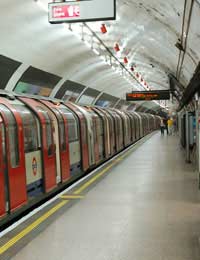
Fewer and fewer of us use public transport these days. In fact we’re now six times more likely to jump in the car than to catch a bus or train! One factor in this trend is the degradation of safety on public transport. Men and women cite fear of groups or lone people as a key reason to avoid bus and train stations. However there are things you can do to improve your personal safety on public transport. Here’s our guide to safe journeys…
Personal Safety on Public Transport
Environmentally, socially and economically, public transport is a good thing. But many of us still hop into the car instead of catching a bus or train. Do safety concerns put you off? According to the Department of Transport, 11.5% more journeys would be made by public (instead of private) transport if people felt safer.The Department also asserts that incidences of crime on public transport are very rare. But it’s not just muggings that we’re worried about – what about intimidation, harassment and vandalism? Even if we’re not victimised, feeling afraid of fellow passengers or a lonely station can affect our journeys. Don’t tolerate it – do something about it!
Safety at Train and Bus Stations
The Department of Transport awards Secure Station accreditation to train and bus stations that have good safety standards. There are four criteria that stations must meet – they should have:- Careful, open and safe station design (a good layout, clear signs, maps, and timetables)
- Efficient communication between station staff (who should be visible and available when you need them)
- A set of policies for reducing crime at the station (including measures like anti-graffiti paint and good lighting)
- Passenger surveys that show a general feeling of security.
- Arrive punctually, so you don’t have to wait for long periods of time
- If the station is quiet, stand in view of a CCTV camera
- Be aware of the people around you
- Don’t let bags out of your sight
- Keep your purse or wallet, camera, and maps hidden.
Safety for Pedestrians
If your journey is shorter than a mile, you might choose to walk. Although walking is a great way to get to school or work, we’re all walking less these days. If you’re concerned about safety, here are some tips to make you feel more confident.- Carry a stick or umbrella
- Keep a mobile phone close to hand-but not on view
- If walking after dark, carry a personal alarm (available for about £10)
- Ask someone to come with you
- Take a dog!
- Walk briskly and confidently
- Leave your handbag or wallet at home
- Avoid poorly-lit areas
Don’t forget that children are more likely to be hurt in a car accident than they are to be harmed by a stranger. Give your children a good grounding in basic road safety – coping with traffic, ignoring strangers, walking in well-lit open areas – and then accompany them on a couple of test runs. You might even find that your children enjoy their new independence. Whatever you do, make sure your children can travel with their heads held high. And the best way to do that is by setting a good example.
Business Energy With a Difference
If you are looking for business energy or need advanced solutions like remote energy monitoring, new supplies, downgrading or upgrading capacity, have a no obligation chat with Purely Energy.
To find our more get in touch here. or call 0161 521 3400.